
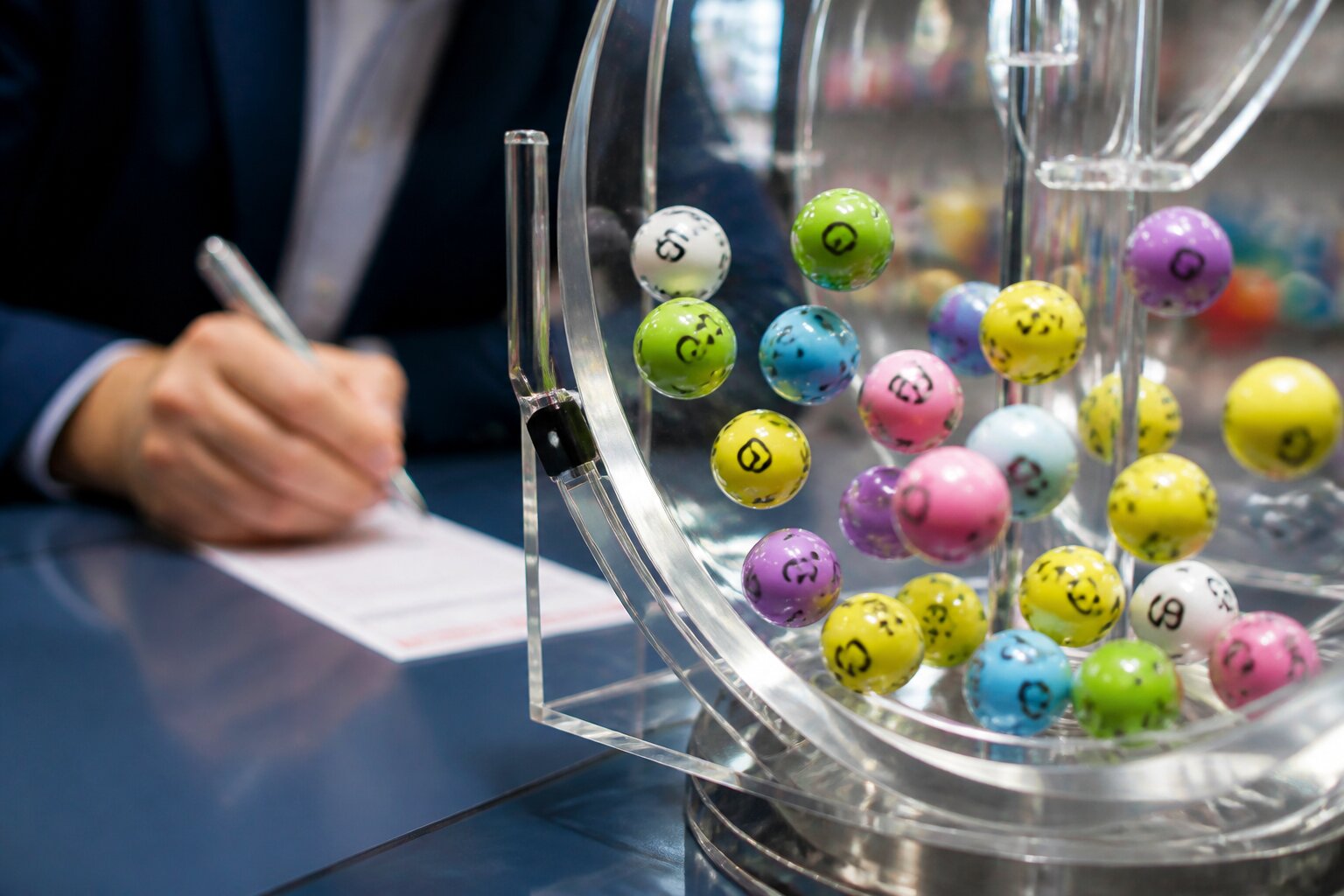
Who hasn’t daydreamed about scooping up a life-changing lottery win? Whether you’re picturing a new house, a few luxury holidays, or just ditching the nine-to-five, the lottery offers that enduring “what if” moment for many people across the UK.
As you pick your numbers or opt for a random selection, have you ever wondered exactly how likely it is to hit the jackpot? With adverts and headlines spotlighting big winners, it helps to know what the maths actually says so expectations stay realistic and playing stays sensible.
A ticket only costs a couple of pounds, but the underlying odds are far from obvious to most players. The sections that follow explain how those odds are calculated, how different games compare, and which facts matter most when deciding how to play.
How Do Lottery Odds Work?
Lottery odds express how likely it is to win each prize, and they are based on straightforward combinatorial maths. In most UK draws, the odds do not change depending on which numbers you choose or how many people enter.
Take the national Lotto example, where six numbers are drawn from a pool of 59. The jackpot odds come down to one question: in how many different ways can six unique numbers be selected from 59? The calculation uses combinations, which count sets of numbers without regard to order. For Lotto, the number of possible combinations is 59 x 58 x 57 x 56 x 55 x 54 divided by 720 (which is 6 x 5 x 4 x 3 x 2 x 1). That yields 45,057,474 distinct possible combinations, so a single line has odds of 1 in 45,057,474 of matching all six main numbers.
Smaller prizes are calculated the same way but involve more possible winning combinations, so the odds improve for those tiers. These probabilities remain fixed for each draw; the only thing that can change the amount a winner receives is whether the prize is shared among multiple winning tickets. If you want to see how these mathematical principles play out across different games, the next section compares the main types of lotteries available.
Understanding Different Types of Lotteries
Lotteries in the UK are offered in several formats, each with its own prize structures and odds. The national Lotto provides large jackpots and correspondingly long odds because of the big number pool. EuroMillions pools players from several countries, producing very large jackpots and even longer odds for the top prize. Other games, such as the Health Lottery, stage more frequent draws with smaller jackpots but generally better odds of winning a top prize than the larger national games.
Instant-win products like online scratchcards and other instant games publish their own odds and usually present higher chances of winning a small prize, albeit with lower maximum payouts. These games can suit players who prefer more frequent, smaller wins rather than chasing a single large jackpot.
You must be 18 or older to participate in any lottery or online instant-win product in the UK. Next, the comparison below highlights which types of lottery typically offer the best chances of success.
Which Lotteries Have the Best Odds?
Games with smaller top prizes tend to offer better odds of winning that top prize. For example, a smaller regional or charity lottery usually has far better top prize odds than the national draws. Instant-win games and scratchcards often provide the best overall chance of winning any prize, though the top prizes are smaller compared with national or pan-European draws.
Always check the published odds for any game before you play so you understand what you are entering. The following section shows how jackpot odds compare with the chances of winning smaller prize tiers.
How Do Jackpot and Smaller Prize Odds Compare?
Top-prize odds are always the longest. For instance, in one pan-European draw the jackpot odds are far longer than those for matching just two or three numbers. By contrast, lower-tier prizes can have fairly short odds because there are many more combinations that satisfy those prize conditions.
To see this contrast clearly, the next section provides concrete odds for the most-played UK games and explains what those numbers mean in practice.
Key Facts About Lottery Chances
Winning the biggest prizes is rare, but the distribution of odds across prize tiers explains why smaller wins occur far more often. Below are the standard published chances for the main UK draws and what they imply for a player.
UK Lotto Odds (per £2 line)
Jackpot (match 6 numbers): 1 in 45,057,474
Match 5 + Bonus Ball: 1 in 7,509,579
Match 5 numbers: 1 in 144,415
Match 4 numbers: 1 in 2,180
Match 3 numbers: 1 in 97
Match 2 numbers (random pick free entry): 1 in 10.3
Overall chance of winning any prize: 1 in 9.3
These figures show that while a jackpot win is very unlikely, there are several prize tiers with much shorter odds that account for the majority of smaller payouts. Match 3 and Match 4 results occur far more frequently, which is why smaller prizes are commonly seen by players.
Understanding these tiers helps set realistic expectations. Players should expect only occasional small wins and view the jackpot as an extremely unlikely outcome.
EuroMillions Odds (per £2.50 line)
Jackpot (match 5 numbers + 2 Stars): 1 in 139,838,160
Match 5 + 1 Star: 1 in 6,991,908
Match 5 numbers: 1 in 3,107,515
Match 4 + 2 Stars: 1 in 621,503
Match 4 + 1 Star: 1 in 31,076
Match 4 numbers: 1 in 13,812
Match 3 numbers: 1 in 707
Match 2 numbers: 1 in 22
Overall chance of winning any prize: 1 in 13
The inclusion of additional drawn numbers in EuroMillions makes the top-tier odds especially long, although the lower tiers remain reachable for many players. Because the top prize pools are larger and shared across countries, the chance of a single player winning the jackpot is much smaller than in national draws.
For those who play EuroMillions, small prizes and occasional mid-tier wins are the more realistic outcomes, while the jackpot should be seen as a rare windfall rather than an expected return.
Health Lottery Odds (per 50p line)
Jackpot (match 5 numbers): 1 in 2,118,760
Match 4 numbers: 1 in 9,416
Match 3 numbers: 1 in 214
Match 2 numbers: 1 in 16.63
Overall chance of winning any prize: 1 in 9.7
Smaller jackpot pools like this one mean a much better chance of winning the top prize compared with national draws, though prize amounts are correspondingly lower. The higher probability for the top tier makes this variety attractive to players who prefer better odds over larger potential payouts.
As with all draws, the balance between odds and prize size is a key factor when deciding what to play. Consider whether you are aiming for a realistic smaller win or chasing a very large prize that has far longer odds.
The next section explores the factors that determine these chances and how they affect players’ decisions.
Lotteries are a regulated form of gambling. Keep control of spending and stick to personal limits so the activity remains enjoyable. If gambling is affecting your life, seek help from professional support services.
What Affects Your Chances of Winning the Lottery?
Several fixed factors determine the odds in any lottery game. The total number of balls in the draw, how many are selected, and whether additional numbers are used for secondary prizes all shape the probabilities. Because draws are random, every possible combination has equal mathematical standing.
Other practical considerations are behavioural rather than probabilistic. Entering more lines gives additional combinations and therefore more chances in that single draw, while joining others in a syndicate multiplies the group’s entry count but means any winnings are shared. How many people play does not change the odds per ticket, although a larger player pool can increase the likelihood that a prize is split between multiple winners. Legal minimum age restrictions apply to all UK lottery play.
Next, the article examines whether buying multiple tickets significantly improves a player’s prospects.
Can Playing More Tickets Increase Your Odds?
Purchasing additional tickets does increase the number of combinations you hold in a draw, so the group of tickets collectively has better chances than a single entry. For example, two distinct lines double the number of combinations you hold compared with one line. However, because the total number of possible combinations is so large for major draws, the improvement is usually marginal in practical terms.
Syndicates are a common way to get more entries without shouldering all the cost alone, but any prize won will be shared among members, reducing the amount each person receives. The next section looks at misconceptions that often follow from simpler interpretations of these facts.
Common Misconceptions About Lottery Odds
There are a few persistent misconceptions about how lottery probabilities behave. One is that buying more tickets produces a dramatic improvement in winning chances. In reality, adding tickets increases the absolute number of combinations held, but the relative improvement is small when the pool of possible combinations is vast.
Another is the idea that certain numbers appear more frequently and will therefore come up again soon. Every legitimate draw is independent, so frequency of past appearances does not change the mathematical probability of future selection. Similarly, playing regularly does not accumulate any advantage; each draw presents the same odds for every new entry.
Claims of systems that boost long-term chances are unsupported by the structure of regulated lottery draws, which are overseen to ensure fairness. With those points in mind, the final section summarises the practical takeaway for players.
The Bottom Line: Understanding Lottery Win Chances in the UK
Many adults in Britain play the lottery for short-term excitement and the remote prospect of a large prize. Knowing how odds are calculated helps keep expectations in check and supports controlled, informed play. UK lotteries operate under strict rules to ensure fairness, and every valid set of numbers has the same chance in any given draw.
Common myths about numbers, systems, or dramatically improved chances through extra entries do not hold up against the mathematics. Treat lottery tickets as entertainment, adhere to age restrictions, and set sensible limits on spending. By doing that, people can enjoy the experience without relying on it as a financial strategy.
**The information provided in this blog is intended for educational purposes and should not be construed as betting advice or a guarantee of success. Always gamble responsibly.