
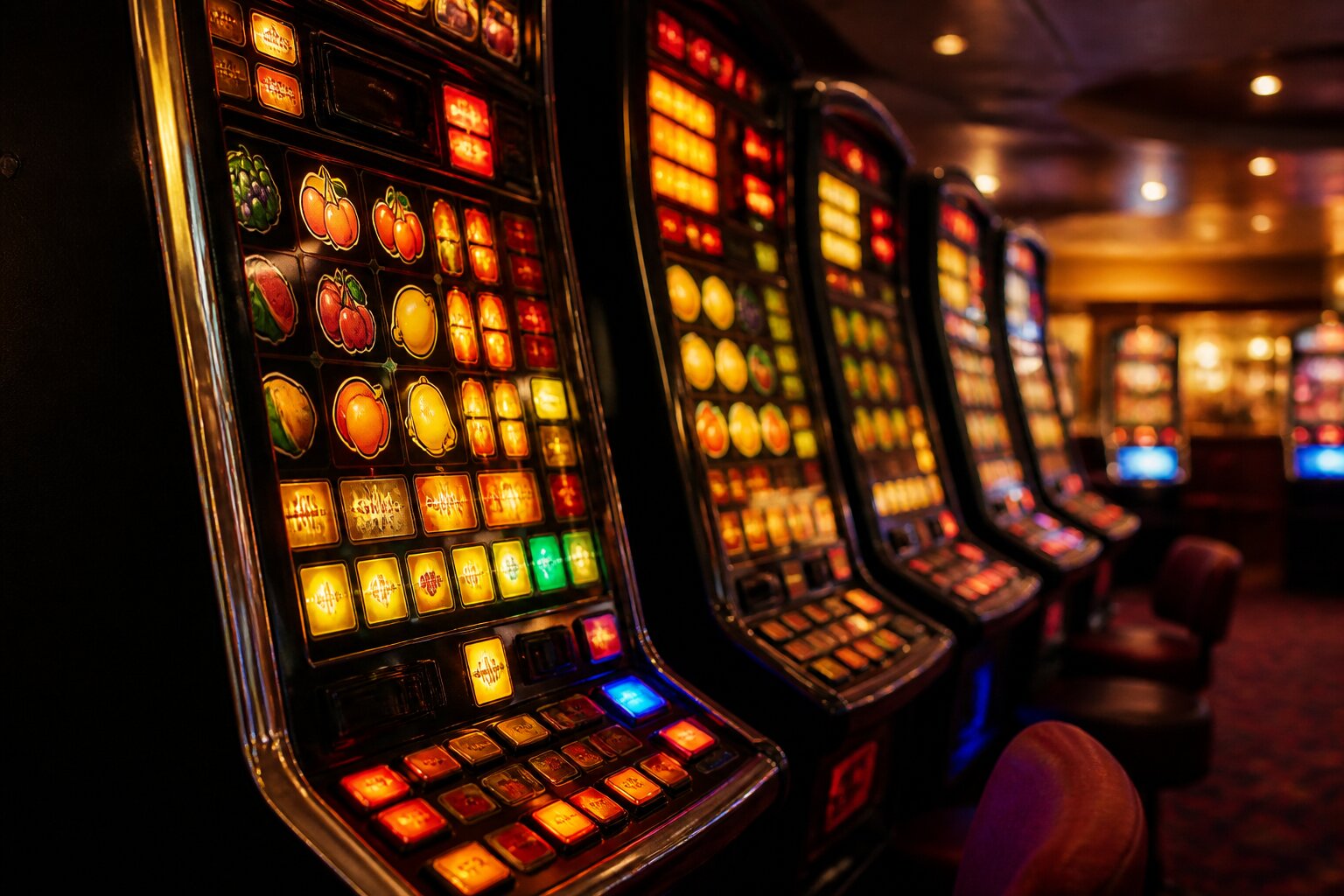
Ever wondered why some people refer to fruit machines as “puggies”? You’re not alone. This quirky nickname turns up around pubs and arcades in parts of the UK, and its story says as much about local language as it does about the machines themselves.
Whether you’re familiar with the term or hearing it for the first time, the history behind “puggie” adds a little colour to the places where these machines appear.
Dive in and you’ll pick up some neat trivia to share next time you’re chatting about pub culture or arcade history.
What Does the Term "Puggie" Mean?
“Puggie” is historical slang, chiefly used in Scotland and parts of northern England, to refer to a fruit machine or slot machine. It is a regional nickname rather than a technical term, and hearing it often signals local or nostalgic use. The word crops up in conversation more among older generations or in communities where pubs and arcades were once central social spots.
People who grew up around the machines or who used to frequent pubs and arcades commonly use the word. When someone says they are “playing the puggie”, they mean they are having a go on a fruit machine — nothing more complicated than that. The term is informal and is rarely used in formal writing or official descriptions of gaming equipment.
Its usage carries a certain fondness and memory of social pastimes, rather than any precise definition about how the machine works. The word can also hint at the local culture of leisure and entertainment where the machines were found, such as working men’s clubs, fish and chip shops, or seaside arcades.
This is a descriptive term, not an endorsement of gambling. If you choose to gamble, do so responsibly and within the bounds of the law.
Where Did the Word "Puggie" Come From?
The word traces back to Scottish slang from the early to mid-20th century. Regional language records from that period show it was an everyday term used to refer to the kinds of gambling machines commonly found in public social spaces.
Its documented use is strongly connected to the arrival and spread of fruit machines across Scotland. The term appears in records as these devices moved from arcades into pubs and working men’s clubs, becoming part of ordinary conversation about leisure and pastime activities.
There are suggestions that the root may be linked to older slang about small change or other local vernacular. The precise etymology is uncertain, and researchers note several plausible influences rather than a single confirmed origin.
The word also appears in a range of historical sources, which helps explain how it settled into regional speech. These include:
- local newspapers and classifieds that mentioned the machines in passing,
- oral recollections and memoirs describing pub life and social habits,
- regional dialect collections and glossaries that recorded everyday terms.
Taken together, these sources show how a colloquial term for a piece of leisure equipment became embedded in the language of certain Scottish communities.
How Did "Puggie" Become Linked to Fruit Machines?
As fruit machines became common in the 20th century, communities often gave them informal names. In Scotland, "puggie" caught on as a local nickname, and it remained in use because it was easy to say and remember.
The name spread most strongly in places where the machines were part of everyday social routines, such as pubs, social clubs and amusement arcades. Regular exposure in those venues made the term familiar across generations, helping it to persist even as the machines themselves evolved.
Part of the appeal of the word lay in simple practical factors:
- it was short and easy to say,
- it was recognisable within local communities,
- it was tied to shared experiences in pubs and clubs.
Although different regions use different terms for these devices, the vocabulary does not change how they work. The mechanics, payout rules and applicable regulations remain the same regardless of what nickname people use.
Are There Other Names for Fruit Machines in the UK?
Yes—various terms are used around the country. “slots” is common, especially in casino settings and online contexts, while “one-armed bandit” is a traditional label recalling older lever-operated machines. Informal variants like “the bandit” or simply “the slots” also turn up in conversation.
These names all point to the same class of machines found in pubs, arcades and casinos; the differences are mostly cultural and regional.
Common alternative names include:
- Fruit machine
- Slot machine or slots
- One-armed bandit
- The bandit
- Reel machine
Usage can also vary by setting. For example, people tend to say “fruit machine” in pubs and arcades, while “slots” is more often used in casinos and online. Modern online versions and mobile apps sometimes shorten the term further to “slot” or use brand-specific names, but they all trace back to the same basic concept.
Common Myths About the Name "Puggie"
Several myths surround “puggie.” It helps to separate fact from fiction so discussions stay rooted in history and culture rather than technical detail.
The main misconceptions are:
- That it designates a particular model or machines with better outcomes. In reality, the name carries no technical meaning and does not indicate improved performance or altered design.
- That the word is used nationwide. Its use is largely confined to Scotland and some parts of northern England; it is not a standard term across the whole of the UK.
- That it is an official gambling term. The word comes from everyday speech and regional dialects rather than from formal or regulatory language.
Clearing up these misconceptions helps keep the conversation focused on heritage and regional language, and prevents people from conflating a nickname with function or regulation.
Why Do People Still Use the Term Today?
The term survives largely because of tradition and memory. For many, “puggie” evokes afternoons in familiar pubs or visits to seaside arcades, and using the word keeps that shared history alive.
Language often carries identity, and in communities where the word is common it feels like part of local character. Even as machines move online and technology evolves, these small linguistic touches preserve continuity with how people used to socialise around them.
If you’re curious about how the machines operate or their place in modern entertainment, regional terminology like “puggie” is a useful entry point into the broader cultural story.
Summary of the Origin and Meaning
Here are the main points to take away about “puggie” and fruit machines.
- “Puggie” is a historical slang term, mainly used in Scotland, referring to a fruit machine.
- The word developed from local usage as fruit machines became commonplace in public social spaces.
- Other names such as “slots” or “one-armed bandit” are used elsewhere, but these all refer to the same type of machine.
- Common myths about the name usually overstate its significance; it’s a piece of regional language rather than a technical descriptor.
Enjoying these terms and the stories behind them adds texture to the social history of pubs and arcades. If you want to keep playing, remember to set sensible limits and play within them.
**The information provided in this blog is intended for educational purposes and should not be construed as betting advice or a guarantee of success. Always gamble responsibly.