
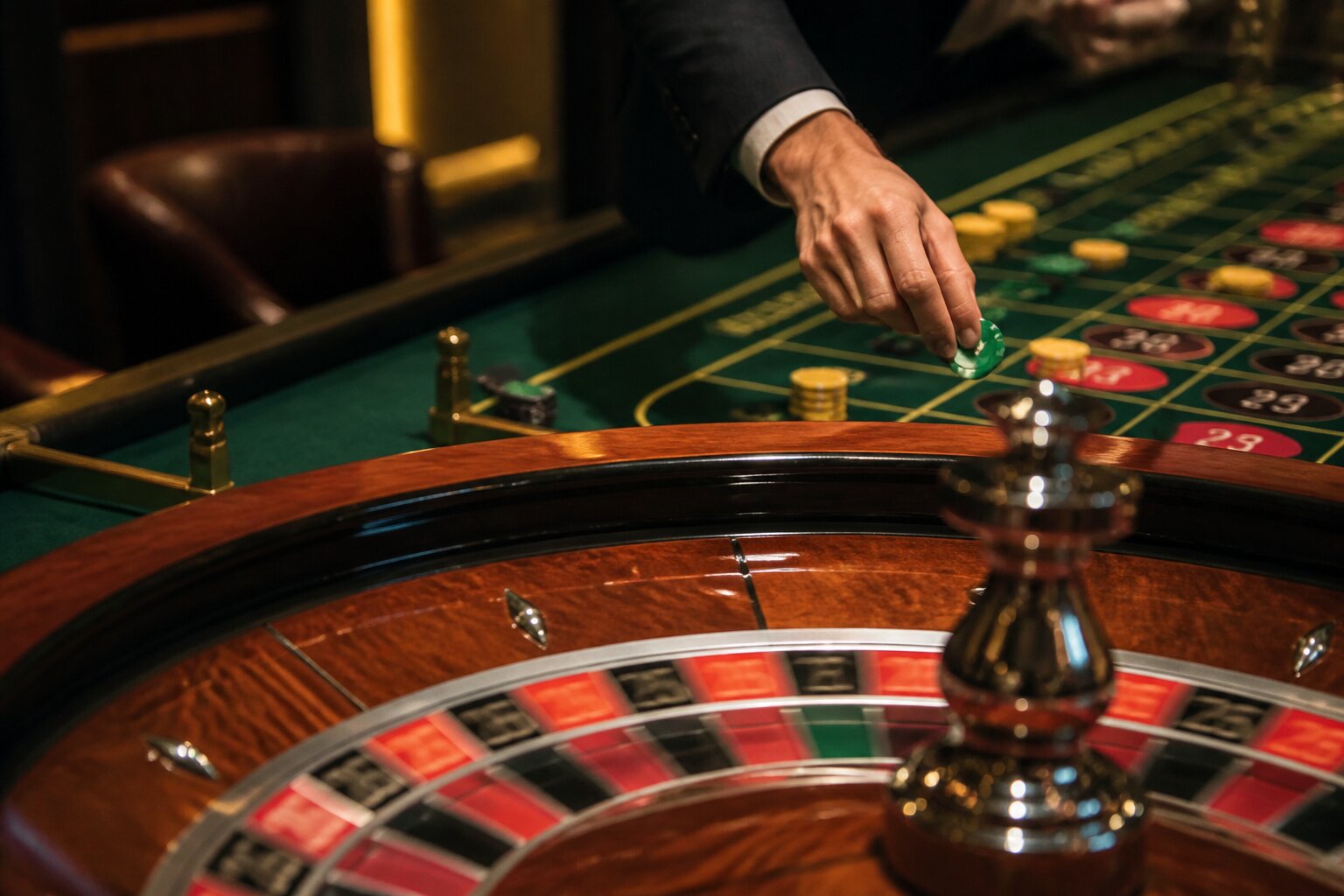
Betting on zero in roulette draws a lot of attention because it sits apart from the red and black numbers and can change the outcome of many bets. This guide explains how zero works, the real odds, and what to expect at different tables, so you can approach the game with clear information.
Whether you’re new to roulette or familiar with the game, the explanations below aim to be practical and direct. Read on to learn how zero affects play, payouts, and the rules you’ll meet at the table.
What Happens When You Bet on Zero in Roulette?
A bet on zero is a straight-up wager: you place your chips directly on the green 0. If the ball lands there, a straight-up win typically pays 35 to 1, so a £1 stake returns £36 in total. That same payout applies to any single-number bet.
If you haven’t backed zero and it appears, many outside bets such as red/black or odd/even will lose. Some games apply rules like La Partage or En Prison to even-money bets when zero comes up; these rules can reduce losses by returning half a stake or giving a second chance on the next spin. These special rules are less common but worth checking for before you play.
Make sure you know the table limits for straight-up bets, because the minimum and maximum on a single number can differ between tables and venues. Knowing this helps avoid surprises when zero comes into play.
Understanding the Rules for Betting on Zero
The mechanics for betting on zero are simple, but the surrounding rules can vary. You place chips on the single zero space, and that single-number bet is treated the same way as any other straight-up bet.
Different game variants and individual tables sometimes add options such as neighbour bets, which cover numbers adjacent to zero with a single stake. If you prefer online play, consult the game’s help or rules window to see any table-specific features. In land-based venues, a quick question to the dealer will usually clarify things.
Table limits are important to note, and the single-zero versus double-zero distinction directly affects odds and the house edge, which is why knowing the version you’re playing matters.
What Are the True Odds of Zero in Roulette?
The probability of zero appearing depends on the wheel type. There are two common layouts:
- Single-zero wheels (European and French) have 37 pockets, so the chance of landing on zero is 1 in 37, about 2.70%.
- American double-zero wheels have 38 pockets, so the chance of a specific zero (either 0 or 00) is 1 in 38, about 2.63% for each one.
The straight-up payout for a single number is 35 to 1 in both variants, so a winning single-number bet returns 35 times the stake plus the original stake. Because the true odds differ from the payout odds, the house retains an edge over the player.
That difference in pockets translates into different long-term returns. On a single-zero wheel the house edge works out to about 2.70% overall, while the presence of the extra double-zero on American wheels increases the house edge to about 5.26%. In plain terms, more pockets for the house mean a larger statistical advantage in the long run.
Always be aware that roulette is a game of chance. Odds describe long-run averages and do not guarantee outcomes in any single spin. Play responsibly and within any applicable legal and regulatory limits.
Comparing Roulette Variants: How Does the Zero Differ?
European roulette uses a single zero alongside numbers 1 to 36. French roulette shares that same single-zero wheel but can include extra rules for even-money bets that reduce losses when zero appears. American roulette includes both a single zero and a double zero, which increases the number of losing outcomes for many bet types.
Each variant changes the way zero interacts with the rest of the table. If you prefer tables that slightly favour the player, single-zero versions with La Partage or En Prison rules are often the best choice. If those options matter to you, check the specific table rules before you sit down.
How Much Does a Zero Bet Pay Out?
A straight-up bet on zero pays 35 to 1. That payout is standard across most legal roulette games, whether played online or in a casino. So staking £1 on zero and winning returns £36 in total.
Because this payout is fixed by the game’s design, you will not usually see different straight-up payouts for single numbers in regulated games. The difference between tables lies in their rules and limits, not the basic single-number reward.
The payout remains the same whether the wheel has a single zero (common in European-style roulette) or a double zero (found on some American-style wheels), although the overall odds and house edge differ between those layouts. Small changes such as table limits, side bets, or special rules can affect how much you can stake or under what conditions bets are settled, but they do not alter the 35 to 1 single-number payout itself.
For clarity, here are a couple of quick examples of returns on successful single-number bets:
- A £2 stake on zero returns £72.
- A £5 stake on zero returns £180.
Always check the specific table rules and limits before playing so you understand how bets are placed and paid.
Common Myths About Betting on Zero
Zero attracts a lot of speculation, and several persistent ideas about it are misleading. One frequent belief is that zero is somehow "due" after not appearing for a while. In roulette, each spin is independent, so previous outcomes do not change the underlying probability on the next spin.
Another myth is that backing zero can overcome the house edge. The house edge is built into the wheel by the presence of the zero pocket or pockets, and no single bet or pattern will eliminate that advantage. Understanding this helps set realistic expectations about returns and risk.
Why Do Some Players Target the Zero?
Some players are drawn to zero because of the size of the straight-up payout compared with most outside bets. Others focus on zero simply because it is distinctive on the layout and stands apart from the red and black sequence. These motives are a mix of strategy preference and personal taste rather than an implied statistical advantage.
Zero and the House Edge Explained
The zero pocket is the factor that gives the casino its mathematical advantage. It sits outside the numbered red and black or odd and even categories, so any spin that lands on zero causes those wagers to lose. Even-money bets might look like a 50/50 proposition, but zero creates an additional losing possibility for those wagers.
The impact of that extra outcome depends on the wheel you are playing. Typically this breaks down as:
- Single zero (European/Single-Zero roulette): the extra outcome is one in 37.
- Double zero (American/Double-Zero roulette): the extra outcome is one in 38 for each specific zero, giving two losing outcomes in total.
Because even-money bets pay 1 to 1 but do not cover the zero, the long-term expectation favours the house. For whole-wheel comparisons, the common figures used to describe this are about 2.70 percent house edge for single-zero wheels and about 5.26 percent for double-zero wheels.
Some tables and rule sets reduce that disadvantage on even-money bets. For example, La Partage or similar rules will return half your stake if the ball lands on zero, which effectively halves the house edge for those bets. Knowing which variant you are facing and whether such rules apply will tell you how large the house edge is at any particular table.
Betting on Zero: What Should You Remember?
Betting on zero adds variety and can lead to sizeable single-number wins, but it is important to treat it as one option among many on the table. Each spin stands alone, and the odds for zero depend on the wheel you are playing.
Decide in advance what you want from a session and choose tables with rules that match that aim. Be aware of table limits and check for La Partage or En Prison if you want reduced losses on even-money bets. Keep your play intentional: know the odds, understand the rules, and pick the variant that aligns with your preferences.
If you’re ready to try it, place your chips with a clear sense of the payout and the odds, and enjoy the strategic elements of the game. This guide should leave you better prepared to make informed choices at the roulette table.
**The information provided in this blog is intended for educational purposes and should not be construed as betting advice or a guarantee of success. Always gamble responsibly.