
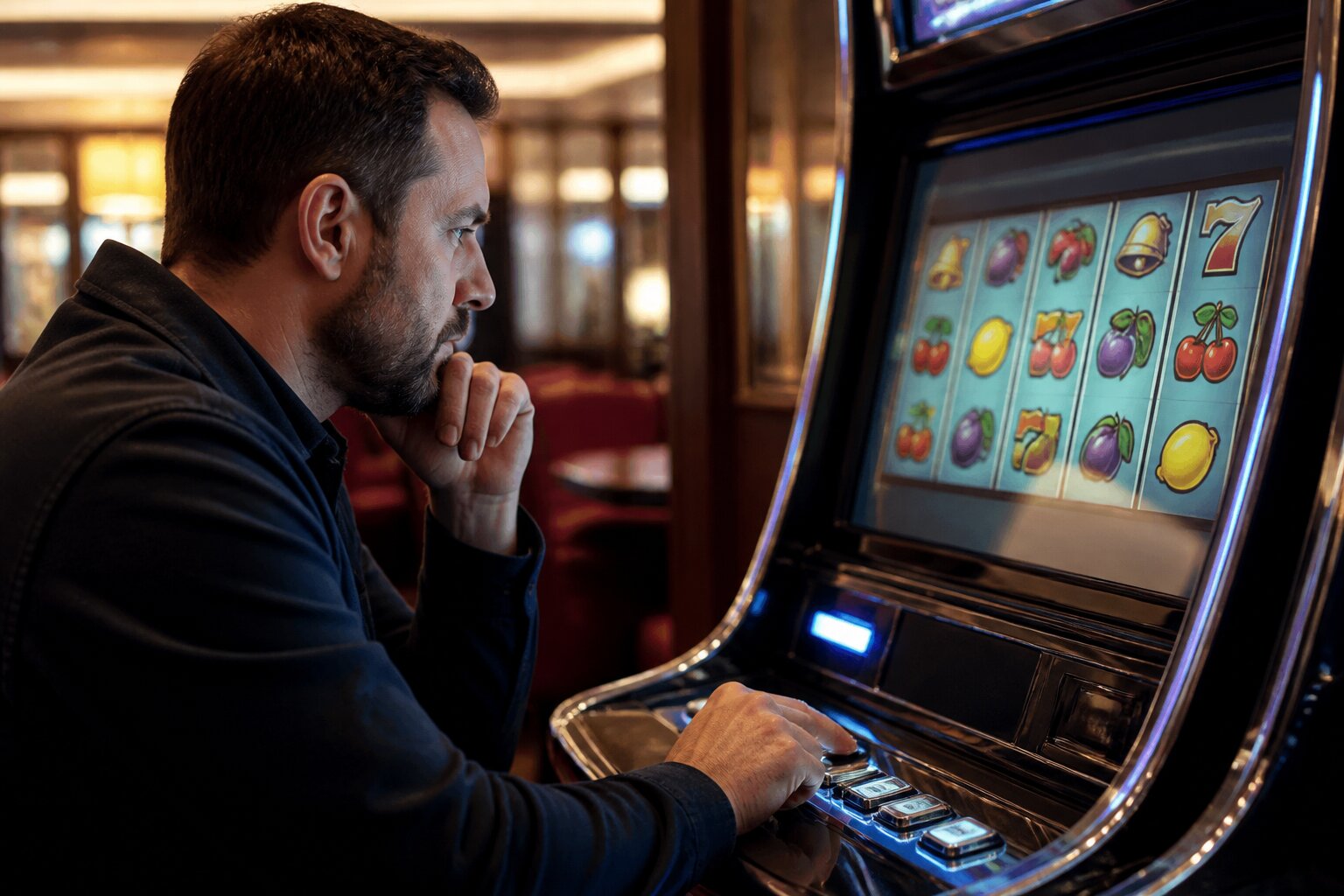
Ever wondered what your chances really are when playing slot machines? There’s lots of talk about “winability”, RTP, odds, and payouts – but what do these terms actually mean for you as a player?
Modern slot games are full of features and surprises, yet understanding what to expect can make your play more informed. Whether you’re new to online slots or want to feel more confident before you spin, this guide explains the key concepts in plain English so you can enjoy the experience with a clearer idea of what they mean.
Keep reading to get a straightforward view of winability, how outcomes are determined, and what the numbers on a game’s info page can tell you.
What Does Winability Mean on Slot Machines?
Winability describes how likely a slot is to produce wins over time. It’s not a promise about any single session, nor is it a method for predicting outcomes. Instead, it gives a broad sense of how a game behaves across many spins.
Two technical terms underpin this idea: Return to Player (RTP) and volatility. RTP indicates the percentage of total stakes a game is expected to return to players in the long run. Volatility, sometimes called variance, explains whether the game tends to pay smaller amounts more often or larger amounts less frequently. Together they sketch the game’s profile so you know whether a slot typically offers steady, modest returns or the chance of bigger but less frequent payouts.
Each spin is independent and random, so winability helps set expectations rather than deliver guarantees. With that in mind, a clear sense of RTP and volatility will help you choose the style of game you prefer.
How Does RTP Affect Your Chances of Winning?
RTP, or Return to Player, is shown as a percentage and indicates how much a slot game is expected to pay back over a very large number of spins. For example, an RTP of 96% suggests that for every £100 staked across many plays, the game would return around £96 in total. This is an average calculated over long periods and does not apply to every single session.
Because RTP is a long-term metric, short sessions can deviate widely from the figure shown. A player could win a lot, lose steadily, or break even in any given visit. Still, RTP is useful for comparing games: higher RTPs tend to be more generous on average than lower ones.
Think of RTP as a reference point when selecting a slot. It helps you compare games without implying any certainty about individual outcomes.
What Are Slot Machine Odds & How Are They Calculated?
Slot odds are the programmed probabilities of landing particular symbols or combinations on a spin. These probabilities are handled by a Random Number Generator (RNG), a piece of software that ensures each spin is independent and unpredictable.
Every symbol on a reel has a defined probability, and the combination of those probabilities produces the overall odds for different wins. Game designers set these values when creating the title, and independent testing confirms they behave as intended. That testing ensures outcomes cannot be predicted or influenced by players or operators.
The RNG and the game’s symbol weights together determine the likelihood of each result. Understanding that helps clarify why some wins are common while others are rare.
Understanding Payouts: How Much Can You Really Win?
Payouts are determined by a game’s paytable, which lists winning combinations and their prize values. Lower-value symbols usually pay modest amounts, while rare combinations or special symbols offer larger payouts. Some titles include progressive or fixed jackpots that can produce sizeable rewards, but such wins are uncommon.
The paytable and prize structure are set within the game and don’t change from spin to spin. Because outcomes are random, the presence of a high-value prize does not imply it will appear often, or at all, during a session.
When examining payouts, look at both the top prizes and how the regular wins are distributed. That balance, along with RTP and volatility, gives a fuller picture of what you might expect when you play.
Do Slot Machines Pay Out Fairly?
Slot games are subject to regulation and testing to ensure fairness and randomness. Approved RNG systems and independent audits verify that the games operate as described. These safeguards mean that outcomes are not influenced by previous results or by external factors.
Common misconceptions include the idea that machines change their behaviour after a win or that betting patterns can alter a game’s fairness. In reality, every spin is independent; previous spins do not affect future ones and betting size does not modify the programmed probabilities.
Operators and testing bodies share an interest in maintaining transparent, audited systems so players can trust that the games are working as intended.
Common Myths About Slot Machine Fairness
A frequent myth is that machines “tighten up” after payouts or that playing at certain times changes your chances. Both ideas stem from misunderstanding how RNGs and probabilities work. Since each spin is independent, the machine does not track or compensate for past results.
Another misconception is that bigger bets increase the odds of winning. Bet size can change the value of a potential payout but it does not alter the random probability of a winning combination appearing.
Knowing these points helps separate fact from folklore and keeps expectations realistic.
How to Spot High and Low Winability Slots
To assess a slot’s winability, start with the RTP percentage and volatility information in the game’s details. Higher RTPs — commonly around 96% or above — indicate that a larger share of stakes is returned to players over the long term. Volatility shows whether wins tend to be frequent and smaller, or rare and larger.
Also check the paytable and the bonus-feature descriptions: games with numerous small-win combinations and frequent bonus triggers tend to feel more forgiving, while those built around big jackpots or scarce high-value combinations will feel more volatile.
Use these elements together to match a slot’s profile to the kind of session you’re after: steadier returns or the possibility of a larger payout, knowing each comes with different patterns of wins and losses.
What Else Influences Slot Machine Outcomes?
Beyond RTP and volatility, the way bonus features are structured affects how a game plays. Free spins, multiplier mechanics, expanding symbols and pick-style bonus rounds change the frequency and size of payouts in specific ways. These features are part of the game’s design and are accounted for within its overall RTP and variance.
Promotions and wagering conditions can also influence how you experience a game, for example by placing limits on how bonus rounds are activated or how winnings are credited. These are operational details rather than changes to the underlying probabilities.
Understanding both the mechanical features and the practical rules around a game gives a clearer sense of what to expect from your session.
Key Points to Remember About Slot Machine Winability
Here are the essentials to take away so you can make informed choices when picking a slot.
Wins Are Never Guaranteed
Each spin is independent and random, so no method or pattern can guarantee a result. Expect variability and treat outcomes as part of the entertainment.
All Features Are Regulated
Games are tested and audited to make sure they operate as described. RTP, volatility and bonus mechanics are transparent and subject to checks.
Play with Clear Limits
Decide beforehand how much you are willing to spend and stick to that boundary. Playing within set limits helps keep the experience controlled and centered on enjoyment.
By keeping these points in mind and paying attention to RTP, volatility and a game’s paytable, you’ll be better placed to choose slots that match the experience you want. If you’d like, explore our game library using these criteria and try a few titles that suit your preferred balance of frequency and prize size.
**The information provided in this blog is intended for educational purposes and should not be construed as betting advice or a guarantee of success. Always gamble responsibly.