
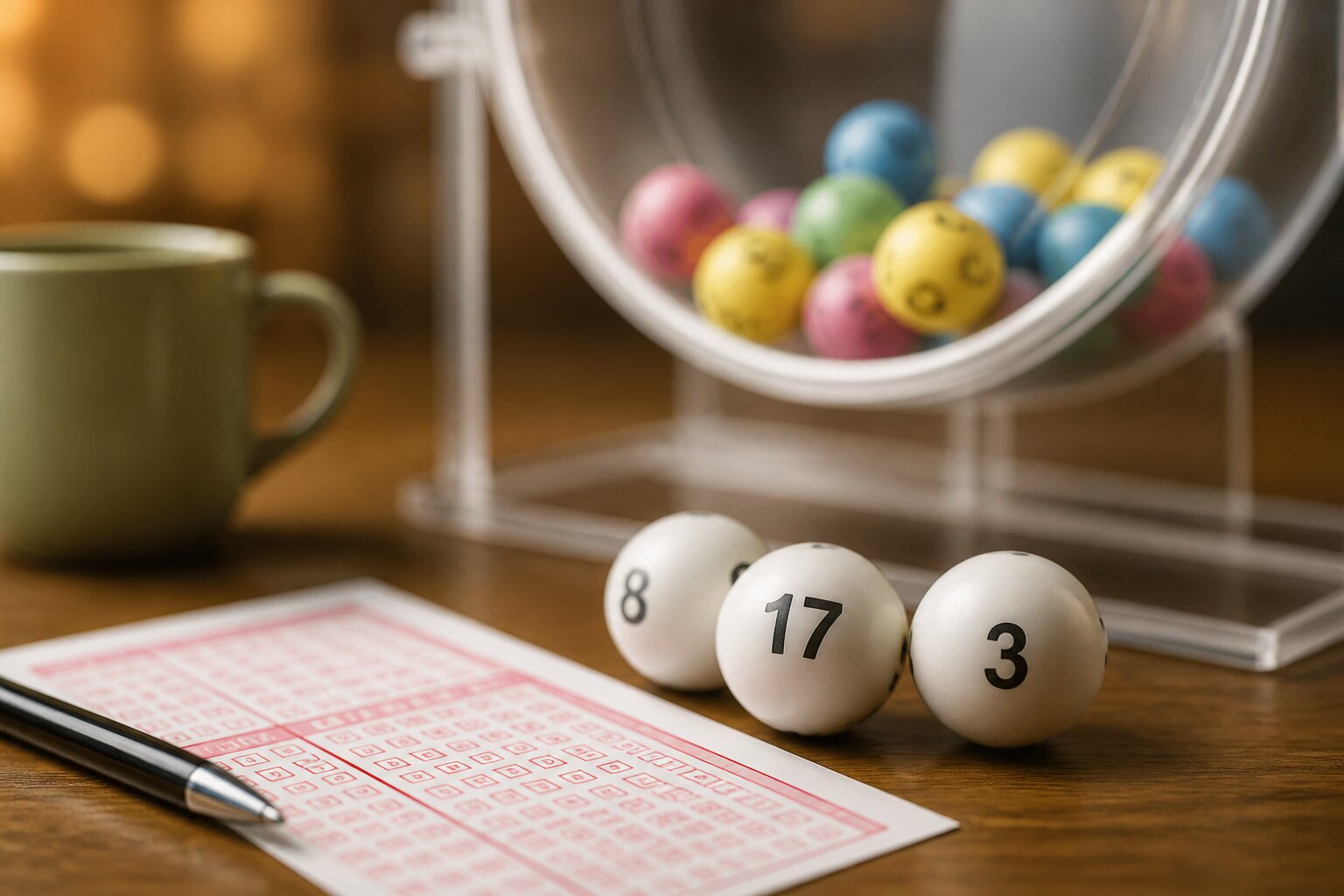
Ever watched the Irish Lottery draw and wondered what you’d take home if you matched just three numbers? You’re definitely not alone — thousands tune in each week with the same question.
Some expect a modest sum, others aren’t sure what to expect. This guide explains the prize for matching three numbers, how that prize fits into the overall structure, and what you need to know about claiming and taxes.
Let’s get into the details and show exactly what three matching numbers are worth.
Understanding the Irish Lottery Prize Structure
The Irish Lottery divides prizes into tiers according to how many of the six main numbers on a ticket match those drawn. Players pick six numbers from 1 to 47; each draw produces six main numbers plus a bonus ball. Prizes run from the lowest tiers, such as two numbers plus the bonus, up to the jackpot for matching all six main numbers.
Most lower tiers, including the three-number prize, are paid as fixed amounts rather than shares of a pooled prize fund. The overall prize fund is created from a portion of ticket sales, and while top prizes can roll over when there is no winner, smaller fixed tiers stay the same from draw to draw. This predictable payment for lower-tier wins provides clarity for players who match three numbers. Next, you’ll see the exact payout you can expect for that tier.
What Is the Payout for Matching 3 Numbers?
Matching three main numbers in the Irish Lottery typically attracts a fixed cash prize of €9 per winning line. This amount is unchanged by ticket sales or the number of winners in a particular draw, so when you match three numbers you can expect the same payout unless the lottery operator later revises the prize table.
Fixed payouts like this one offer certainty for smaller wins. For context, this sits well below higher-tier amounts but is intended to give more players regular, modest returns. Keep reading to understand how you would receive that money and what procedures apply when claiming a prize.
How Are Winnings Paid Out?
How you bought your ticket determines how you claim and receive winnings. Retail purchases of smaller prizes — including the €9 for three numbers — are usually payable at authorised shops, provided the prize is within the retailer’s payout limit and the ticket is intact. If a retailer cannot pay the amount, or for larger prizes, a claim form and a visit to an official claims centre may be required.
Online purchases credit winnings to the player’s account automatically; larger payments often require identity checks before transfer to a bank account. All claims must be lodged within 90 days of the draw date, so keeping tickets safe and checking results promptly is important. With that practical side covered, the next section explains the actual odds that lead to a three-number win.
What Are the Odds of Matching 3 Numbers?
The chance of matching exactly three of the six main numbers in the Irish Lottery is 1 in 72. This figure comes from the game's format: players select six numbers from a pool of 47. Every possible combination of six numbers is equally likely to be drawn, which is why the odds for any given line remain constant.
If you want a little more detail, the 1 in 72 result is worked out by considering how many ways three of your chosen numbers can match the draw while the other three do not. There are a specific number of combinations that produce exactly three correct numbers, and when you compare that with the total number of possible six-number combinations from 47, you arrive at the 1 in 72 probability.
Those odds are fixed for every line played and are unaffected by previous results or by the method used to select numbers. In other words, whether you pick numbers at random, use a personal system, or play the same set repeatedly, the statistical chance of matching exactly three numbers on any one entry remains the same.
Understanding this probability can help set realistic expectations about how often a three-number payout might occur. It is a useful piece of information for anyone considering the lottery, without implying that higher-frequency play will improve those chances. The next section compares how this fixed-pay approach measures up against other lotteries.
Payout Differences Between Irish Lotto and Other Lotteries
The Irish Lotto’s fixed €9 payout for three numbers is relatively modest compared with some other draws. For instance, a different national lottery might offer £30 for matching three numbers, reflecting differences in ticket pricing and how each operator allocates its prize funds. Pan-European games such as EuroMillions structure their lower tiers differently; some do not award a prize for exactly three main numbers, preferring instead combinations that include supplementary balls.
These variations come down to each lottery’s design: number pool size, ticket cost and the split of ticket revenue between tiers all shape both prize values and odds. Knowing these distinctions can help players decide which games suit their preferences. The following section answers common practical questions about claiming, taxes and eligibility.
Common Questions About Irish Lottery Winnings
Questions about tax, claiming procedures and who can play are frequent, so here are clear answers to the main points.
Tax Implications for UK Players
Prizes from the Irish Lottery are not subject to UK income tax when received. This means the lump sum you are paid is free from income tax at that point. If you later invest those funds and they generate income, that income would be treated under normal UK tax rules, so interest, dividends or capital gains may be taxable.
If you are unsure how a large win might affect your wider tax position, it is sensible to seek independent tax advice from a qualified professional who can consider your personal circumstances.
Claiming Your Prize
Claims depend on purchase method and prize size. Small retail prizes are usually payable at the point of sale. Larger amounts require a claim form and may need to be pursued at an official processing centre, and you may be asked to provide identification and proof of purchase.
Online winnings appear in your account, with identity checks for higher sums before funds are released. Keep in mind the 90-day claim window after the draw; any prize not claimed within that period may be forfeited, so it is important to act promptly if you think you have won. If you have a joint ticket, check the rules on how prizes are shared and make sure all relevant parties are listed when claiming.
Minimum Age to Play
You must be at least 18 to play the Irish Lottery. Age verification procedures apply for both in-person and online purchases to prevent underage participation, and operators may request documents to confirm your age.
With those essentials covered, the final section offers compact guidance on keeping play measured and safe.
Responsible play involves setting limits on how much time and money you spend on lottery games and ensuring gambling remains an occasional form of entertainment. If you feel your play is becoming problematic, seek support from recognised gambling help organisations and consider tools such as spending limits, self-exclusion and professional advice.
Tips for Responsible Play
Treat lottery participation as an occasional form of entertainment and keep it within a planned budget. Decide in advance how much can comfortably be spent and avoid increasing that amount in response to previous losses. Attending to limits helps prevent play from affecting other areas of life.
If anyone feels their play is becoming problematic, confidential support and practical tools are available from recognised organisations. These services can offer advice on setting limits and finding further help where needed.
**The information provided in this blog is intended for educational purposes and should not be construed as betting advice or a guarantee of success. Always gamble responsibly.