
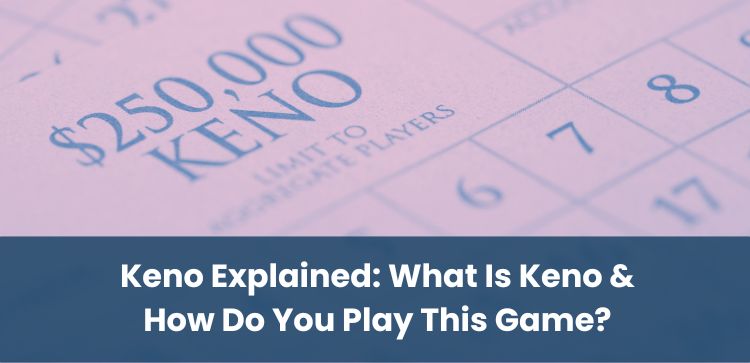
Keno is a familiar sight in casinos and online. It looks straightforward, yet there are a few moving parts worth understanding before taking part.
This blog post walks through the essentials: how numbers are chosen, what a ticket shows, the rules and bet types, how draws happen, and how payouts and odds are worked out. It also covers common variations, online versus live play, key terms, and UK tax.
If you do decide to play, keep to a clear spend limit and use licensed operators. The aim here is to help you make informed choices.
What Is Keno?
Keno is a game of chance that works a little like a lottery. From a pool of numbers, typically 1 to 80, a player selects a set of numbers known as spots. A draw then produces the winning numbers.
Prizes are based on how many selections match the numbers drawn. How many spots are picked, the stake placed, and the specific paytable all shape the possible returns.
The format is simple to follow once the basics are in place. So what does playing a round actually involve?
How Do You Play Keno?
A keno round starts with a ticket that displays a grid of numbers, usually 1 to 80. The game rules set how many spots can be marked, often up to 20, and the player chooses the stake that suits their budget.
When the draw is run, either by a mechanical machine in a venue or an online random number generator, the winning numbers are displayed and checked against each ticket. The paytable shows what each outcome pays for the number of spots chosen.
Reading the paytable before joining a game helps set expectations. Deciding a maximum spend in advance keeps the experience within personal limits.
What Do Keno Tickets Look Like And How Do You Mark Numbers?
A standard ticket shows the number grid in clear rows and columns, making it easy to see and select spots. In a venue, numbers are shaded or filled in and the ticket is handed to staff; online, the same grid is tapped or clicked, with chosen spots highlighted on screen.
Alongside picking numbers, there is usually a way to set the stake and, if offered, select options such as playing the same ticket for multiple draws or using a quick pick tool. The online layout mirrors the paper version, so moving between formats feels familiar.
With the ticket layout in mind, the different bet types start to make more sense.
Keno Rules And Betting Options
Keno centres on choosing spots from the 1 to 80 pool. A straight bet is the most common approach, where one set of numbers is marked and settled according to the paytable.
Some games allow extra flexibility. Combination bets let several groups of numbers sit on one ticket, each settled separately. Way bets go a step further by grouping numbers in different ways on the same ticket, creating multiple linked bets at once. Many games also allow the same selections to be entered into several consecutive draws.
Rules and paytables vary by game, so it is worth checking the details on screen or at the venue before joining.
How Do Keno Draws Work?
A draw selects winning numbers at random from the pool. In physical settings, numbered balls are mixed and a fixed quantity, often 20, is drawn for each round. Online, a certified random number generator produces the results and displays them instantly.
Licensed operators use independent testing and regular audits to verify that draws are fair and compliant with regulation. Results are then matched automatically to each ticket so outcomes are clear.
With the draw mechanics understood, the next piece is how prizes and probabilities fit together.
How Are Keno Payouts And Odds Calculated?
Payouts follow the paytable for the game being played. The table links how many spots were chosen to how many were caught in the draw, then shows the prize for that combination at the stake placed. Selecting more spots can open up larger top prizes, but matching many numbers becomes less likely.
The odds come from simple counting rules. They depend on three things: how many numbers exist in total, how many the player picks, and how many the draw reveals. From there, the game calculates the chance of each possible outcome and sets the paytable accordingly.
Return to player, or RTP, is often shown on the game screen. It is an average over many rounds, not a prediction for any single draw. As a quick example, a 5‑spot ticket might pay for catching 2, 3, 4 or all 5 numbers, with the amounts stepping up at each level. The exact figures differ between games, which is why it helps to glance at the paytable before committing.
What Are The Main Keno Variations?
Classic Keno keeps to the familiar format: select spots from 1 to 80, then settle the ticket against the draw.
Online Keno delivers the same core rules in a digital layout, often with faster rounds and optional features such as quick pick or autoplay.
Live Dealer Keno blends a digital ticket with a live-streamed draw hosted by a presenter, aiming to recreate the feel of a hall.
Power Keno, Super Keno and Bonus Keno add features such as multipliers or bonus triggers that apply under specific conditions shown in the rules.
Some games include a progressive jackpot, where a portion of each stake feeds a shared prize that can be won when certain outcomes land.
Each variant has its own paytable and rules, so always check how features are activated and what they pay before starting.
How Do Online Keno And Live Hall Keno Differ?
The structure is the same, but the experience differs. Online keno runs through a website or app, with draws created by a random number generator and results settled instantly. Number selection is done on a virtual ticket and the pace is generally quicker.
Live hall keno takes place in a venue at set times. Tickets are filled in by hand, balls are drawn mechanically or electronically, and results are announced in the room and on display boards.
Choosing between formats often comes down to convenience and pace. The underlying rules, such as how many spots can be chosen and how outcomes pay, are set by the specific game.
Common Keno Terms Explained
If any jargon crops up while reading a paytable or ticket, this quick glossary helps keep things clear:
- Spot: The count of numbers selected on a ticket.
- Draw: The event in which winning numbers are chosen, either mechanically or by a random number generator.
- Paytable: The chart that lists prizes based on spots chosen and numbers caught.
- Straight Ticket: A single group of chosen numbers that pays according to the paytable.
- Way Bet: A ticket that groups numbers to create multiple linked bets at once.
- Catch: A selected number that appears in the draw.
- Progressive Jackpot: A prize that increases over time, funded by a small part of each eligible stake until it is won.
Understanding these terms makes it easier to follow game screens and venue displays.
Are Keno Winnings Taxable In The UK?
No. In the UK, individual players do not pay tax on keno winnings, whether playing online or in a venue. Gambling duties are paid by licensed operators, not by players.
There is no requirement to declare gambling winnings as income. For peace of mind, stick to licensed operators that meet UK regulatory standards.
Keno Myths And Misconceptions
Several ideas about keno persist that do not match how the game works.
One is that some numbers are due after a gap. In regulated games, each draw is independent, so past results do not influence what comes next.
Another is that using the same numbers round after round improves the chance of a return. Each draw is separate, so repeating numbers does not change the probabilities.
Some believe certain staking systems can overcome the odds. Keno outcomes are set by the rules of the game and the draw process, so no staking pattern can alter them.
It is also said that choosing more numbers makes the game easier to win. Selecting more spots can unlock different prize levels, but matching a large set becomes less likely, which is reflected in the paytable.
If gambling starts to affect your well-being or finances, seek support early. Independent organisations such as GamCare and GambleAware provide free, confidential help. With a clear view of tickets, draws and paytables, you can decide if keno fits your plans and, if it does, keep it within sensible limits.
**The information provided in this blog is intended for educational purposes and should not be construed as betting advice or a guarantee of success. Always gamble responsibly.