
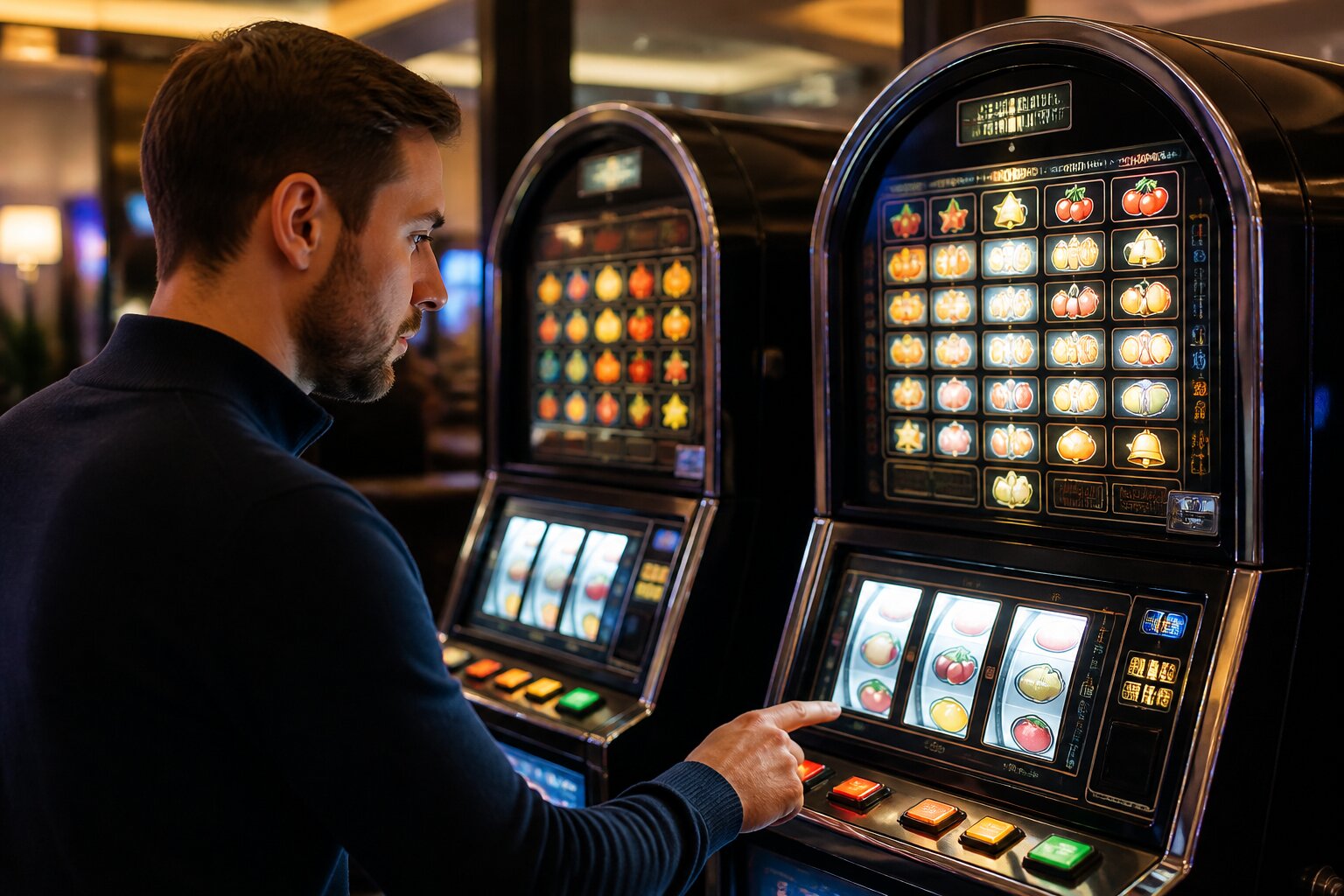
Ever wondered if you can spot when a fruit machine is ready to pay out? Many players are curious about those so-called ‘payout signs’ that might give them a better chance of winning.
With flashing lights, spinning reels and all sorts of noises, fruit machines can be a mystery to figure out, and it’s easy to see why people try to find a pattern. Before you put another pound in, it’s worth separating fact from folklore so you know what to watch for — and what to ignore.
Read on to find out what truly matters when you’re sizing up a machine, and how to make clearer, safer choices when you play.
Understanding Fruit Machine Payouts
Fruit machines, also known as slots, use a Random Number Generator to ensure each spin is independent. That means every result is determined at the moment the spin starts, and past outcomes do not change future ones.
Payouts are governed by the Return to Player rate, expressed as a percentage that reflects the average amount returned to players over a long period. For example, an RTP of 95% indicates that, across many plays, the machine returns £95 for every £100 wagered in total. This long-term average does not predict what will happen during a single session.
Machines in the UK must meet regulatory standards and undergo regular testing to maintain fairness. Understanding these basics helps set realistic expectations and makes it easier to recognise the useful information machines display. If you want to know which game features could affect return potential, the next section explains what people often call payout signs and why they matter.
What Are Payout Signs & Why Do They Matter?
Payout signs are informal ideas players use to suggest a machine is about to give a win — things like particular lights, sounds or reel pauses. Modern machines are not designed to telegraph upcoming results, so these cues do not indicate a forthcoming payout.
Knowing what a payout sign is, and what it is not, keeps attention on practical information rather than superstition. Machines show features and messages to explain gameplay and prizes; they do not signal when a win will occur. Keeping this distinction in mind helps you focus on the actual mechanics that affect returns.
A clearer view of how machines operate will help you make better choices about which games suit your style and bankroll. The next section looks at the concrete features you can check to assess a machine’s potential returns.
Spotting High Payout Indicators
Predicting a single payout is not possible, but some machine characteristics are relevant when choosing where to play. These are factual elements you can inspect to match a game to your preferences and budget. Being aware of these indicators helps you make more informed decisions without implying any guarantees about outcomes.
Analyse Paytables & Symbols
Each fruit machine includes a paytable that lists symbol values and the ways features pay. The paytable shows which combinations yield the biggest prizes, whether special symbols trigger bonus rounds, and how features such as free spins or multipliers work. By studying this, you can see whether a game rewards frequent smaller wins or offers rarer, larger payouts — information that helps align a machine with your style of play.
Paytables also make it clear how features interact. For example, whether a wild substitutes for other symbols, if scatters pay anywhere on the reels, or if bonus rounds require specific alignments. Understanding these mechanics lets you judge whether the game's structure matches your risk tolerance and session goals, such as seeking entertainment through steady play or chasing larger, less frequent prizes.
Examine Return to Player (RTP) Percentages
RTP, the long-term average return, is a useful comparative figure when choosing between machines. Higher RTPs mean, in theory, a larger share of the money played is returned as prizes over many spins. That does not mean short sessions will follow that average, but RTP is one of the clearest pieces of data you can use to compare games.
RTP figures are most informative when combined with paytable analysis. A game with a high RTP but mostly small symbol values will play differently from a game with a similar RTP and a few very high-value wins. Looking at both the RTP and the paytable helps you understand not just how much might be returned over time, but the likely shape of wins during a typical session.
Combining paytable details with RTP gives a fuller picture of a game’s profile and whether it suits how you prefer to play. With that foundation, the next part describes how machines present information visually so you can spot these details quickly.
What Does RTP Mean for Players?
RTP stands for Return to Player and is a percentage shown for most machines. It represents the average proportion of stakes returned as prizes across a very large number of spins. A 96% RTP, for instance, reflects the long-term ratio of returns to stakes, not the outcome of a single visit.
For practical purposes, RTP helps set expectations rather than guarantee results. Short-term sessions can deviate widely from the average, and individual outcomes remain random. Treating RTP as comparative context — one factor among several when choosing a machine — is the most useful approach for responsible play.
Understanding RTP and paytable structure together can guide longer-term choices about which games to favour. The following section explains how machines use visual elements to display these facts and features.
Visual Clues: How Machines Hint at Payout Potential
When you approach a machine, visual elements are designed to explain its mechanics and highlight the features available during play. These displays use icons, animations and on-screen text to show what is possible, helping you understand the game before you place a stake. They are intended to describe the way the game operates rather than to indicate when a prize will be awarded.
Bonus Features & In-Game Displays
Screens and animated sequences often demonstrate how bonus rounds work and show the types of wins available. They make it clear what symbols trigger free spins, what multipliers do and the structure of mini-games that can increase prize potential. These visual demonstrations can also outline how many extra spins you might receive and whether any special symbols stick or expand during a bonus.
Such displays are useful for learning how a game delivers value during play. Watching the animations or trial modes can give you a good sense of the pacing and excitement of the features, and help you decide if you enjoy the style of play on offer.
External Signage & Labels
Machines commonly bear labels that state RTP, maximum jackpot amounts and the permitted betting range. This external information is there to help players choose a game that fits their budget and expectations. It gives transparent facts about possible returns and limits, for example the smallest and largest stakes you can place and the top prize on offer.
These labels do not alter the randomness of outcomes or promise when a win will occur. They simply provide standardised information so you can make an informed choice about whether the game suits your stakes and risk tolerance.
Read these visual clues to decide if a game’s features and stakes match your plans, and then move on to the next section, which clears up common misconceptions about payout signs.
Common Myths About Fruit Machine Payout Signs
A number of persistent myths suggest players can predict or influence when a machine will pay out. For instance, some think long losing runs mean a win is due, or that certain noises or reel patterns precede a big prize. These ideas ignore the independence of each spin and the way machines operate.
Every spin is generated independently, so tracking sequences or interpreting incidental patterns does not provide reliable information. Machines use certified random number generators and are subject to testing, so apparent trends are coincidental rather than meaningful indicators.
Recognising these myths reduces unnecessary chasing and helps to keep play within sensible limits. If you want to be sure you understand the rules that apply to offers and prizes, the next section explains how to read the small print so there are no surprises.
How to Make Sense of T&Cs and Small Print
Terms and conditions and the small print explain how a machine or promotion actually works. They include details such as which games are eligible for an offer, any wagering requirements attached to bonuses, limits on prizes or withdrawals, and timeframes for promotions.
Reading these details helps avoid misunderstandings about how winnings are handled and whether a promotion applies to the game you are playing. Operators are required to present this information clearly, so checking it supports informed and confident choices.
Pay attention to eligibility criteria like age and location, and to any limits on how and when winnings can be claimed. With a clear grasp of T&Cs, you can play with sensible expectations and a better understanding of what each machine is offering.
**The information provided in this blog is intended for educational purposes and should not be construed as betting advice or a guarantee of success. Always gamble responsibly.